New · Raku lab

Raku from kiln to smoke

Fast firing, a glowing piece pulled from the kiln, smoke drawing on the clay. Learn the basics, find raku recipes built for materials sold in Brazil and follow the tests in our studio.

🏺 Raku is decorative: the piece stays porous and is not for food.

The basics

🔥

What it is

A short firing (1–3 h) up to ~900–1000 °C. Once the glaze matures, the piece is pulled glowing from the kiln into a can with sawdust: smoke blackens the bare clay and seeps into the glaze cracks.

🧱

The clay

It must survive thermal shock: a well-grogged body, even wall thickness and a low bisque so the piece stays porous.

👀

When to pull

The glaze goes through stages: it bubbles, looks like lava, pits, and finally smooths into a shine like water on ice. That is when you open the kiln. In raku you judge by eye more than by cone.

💨

Reduction

A small metal can, a little material on the bottom, the piece inside and the lid on as soon as it catches (within ~15 s). Intensity comes from speed, not from more sawdust. Open the can face away: the air makes the fire flare.

🧤

Safety

Outdoors, away from windows. Heat gloves, cotton clothes, face shield and closed shoes. No treated wood, plywood or particle board in the reduction: the glues release toxic fumes.

🍽️

Using the piece

The body stays porous and raku glazes are unstable on purpose. A raku piece is decorative: never for food or drink.

Keramoslab raku recipes

Each recipe shows the expected effect (an AI illustration) and, next to it, the real result once the studio test is done.

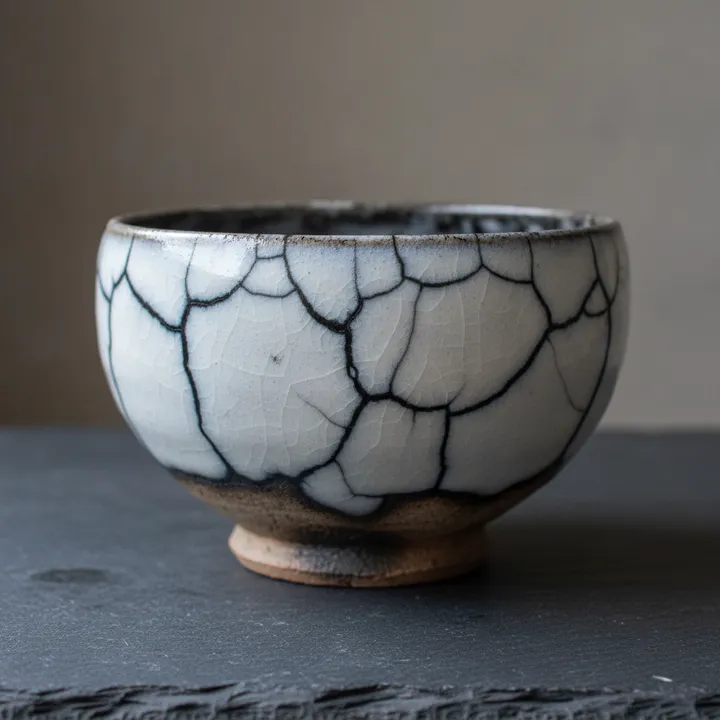
Clear crackle

Crackle · Beginner · Raku, ~950–1000 °C
Expected effect · AI illustration
Clear crackle
In the studio
🔬

Will be tested in the studio

Photos of the real result will show up here.

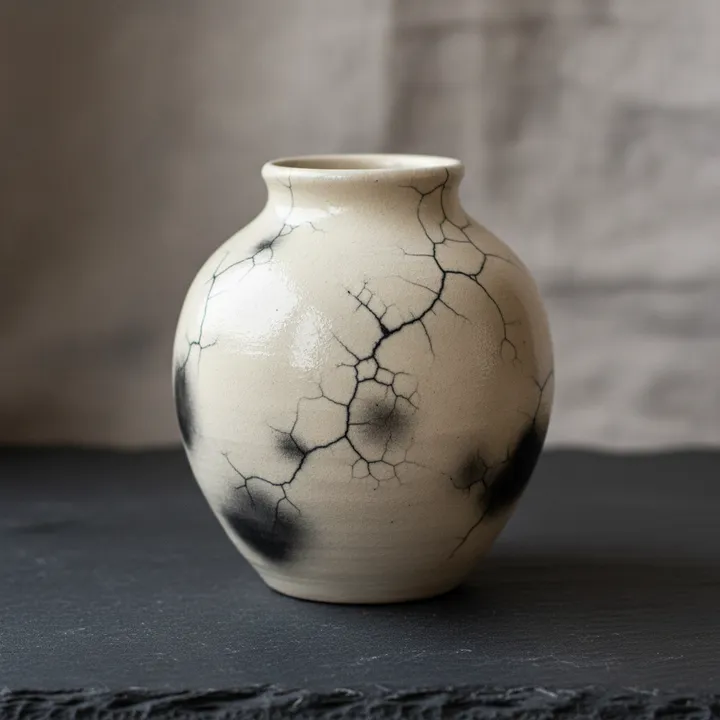
Glossy clear glaze that crazes as it cools; smoke from the reduction gets into the cracks and draws a black network over the clay. Highest contrast on a white body.

🔒 Full recipe for subscribers

Ingredients, proportions and the firing walkthrough are unlocked on any paid plan.
White crackle

Crackle · Beginner · Raku, ~950–1000 °C

Expected effect · AI illustration
White crackle
In the studio
🔬

Will be tested in the studio

Photos of the real result will show up here.

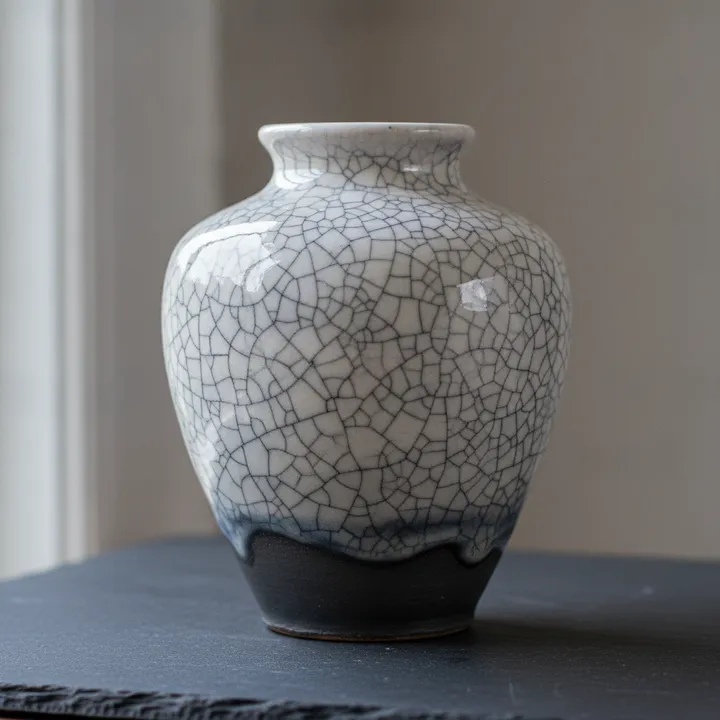
The raku classic: milky white with a bold black crackle that also covers dark clays.

🔒 Full recipe for subscribers

Ingredients, proportions and the firing walkthrough are unlocked on any paid plan.

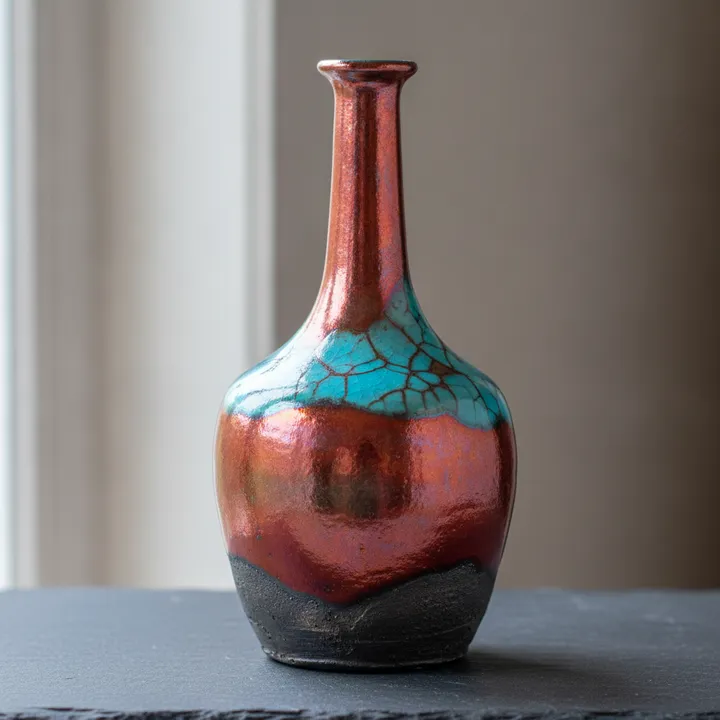
Copper: turquoise or luster

Copper · Intermediate · Raku, ~950–1000 °C

Expected effect · AI illustration
Copper: turquoise or luster
In the studio
🔬

Will be tested in the studio

Photos of the real result will show up here.

One glaze, two worlds: strong reduction in a tight can gives copper red and metallic luster; if air gets in (or you open early), crackled turquoise. Every piece is different.

🔒 Full recipe for subscribers

Ingredients, proportions and the firing walkthrough are unlocked on any paid plan.

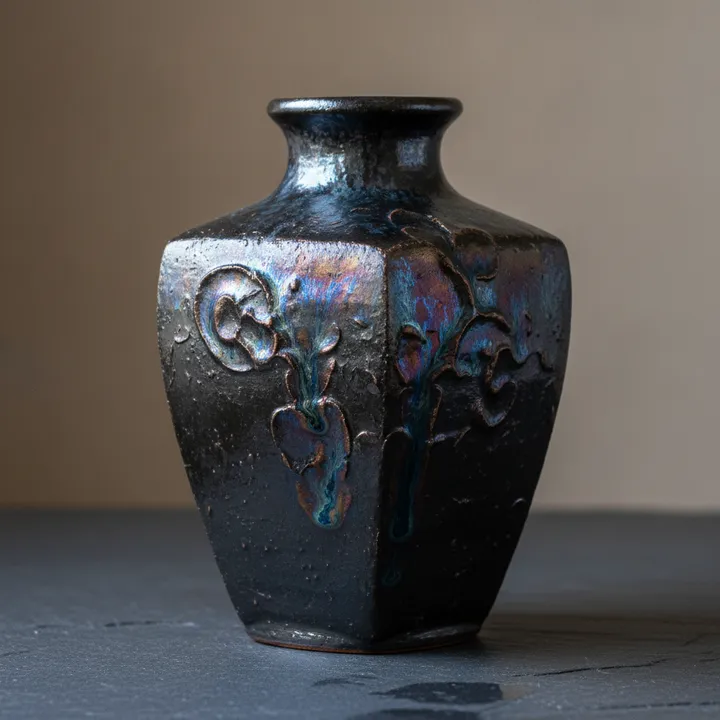
Lustrous black

Metallic · Intermediate · Raku, ~950–1000 °C

Expected effect · AI illustration
Lustrous black
In the studio
🔬

Will be tested in the studio

Photos of the real result will show up here.

Deep black that, under strong reduction, picks up metallic and iridescent flashes (blue, purple, bronze) where it is thicker.

🔒 Full recipe for subscribers

Ingredients, proportions and the firing walkthrough are unlocked on any paid plan.

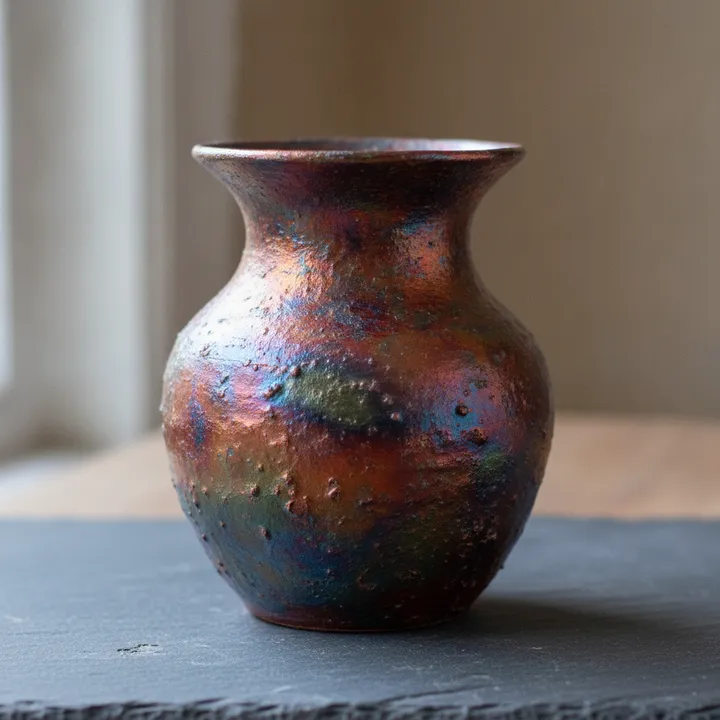
Copper matte

Matte copper · Intermediate · ~1010 °C (use a pyrometer)

Expected effect · AI illustration
Copper matte
In the studio
🔬

Will be tested in the studio

Photos of the real result will show up here.

Almost pure copper, no gloss: the piece comes out flashing red, orange, purple, blue and green, like weathered metal. The effect comes from the firing more than the chemistry.

🔒 Full recipe for subscribers

Ingredients, proportions and the firing walkthrough are unlocked on any paid plan.

Naked raku: resist slip

Naked raku · Intermediate · ~930–980 °C

Expected effect · AI illustration
Naked raku: resist slip
In the studio
🔬

Will be tested in the studio

Photos of the real result will show up here.

A layer that peels off after firing: underneath, the clay stays pale where the glaze protected it and turns black where smoke got through the cracks — fine, ink-like lines.

🔒 Full recipe for subscribers

Ingredients, proportions and the firing walkthrough are unlocked on any paid plan.

Naked raku: sacrificial glaze

Naked raku · Intermediate · ~930–980 °C

Expected effect · AI illustration
No illustration — see the effect described below.
In the studio
🔬

Will be tested in the studio

Photos of the real result will show up here.

A heavily crazing glaze that comes off with the slip — it is there only to draw smoke lines on the clay.

🔒 Full recipe for subscribers

Ingredients, proportions and the firing walkthrough are unlocked on any paid plan.

Red terra sigillata (local clay)

Finish · Beginner · Up to ~1000 °C (loses its sheen above)

Expected effect · AI illustration
Red terra sigillata (local clay)
In the studio
🔬

Will be tested in the studio

Photos of the real result will show up here.

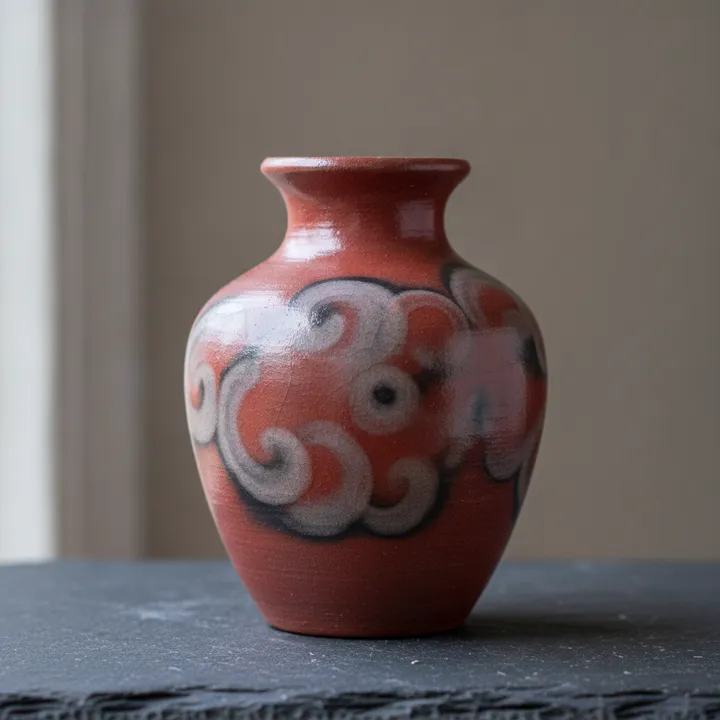
An ultra-fine clay coat that, buffed with a soft cloth, turns satin without glaze. In raku it takes smoke softly — ideal base for naked raku and horsehair.

🔒 Full recipe for subscribers

Ingredients, proportions and the firing walkthrough are unlocked on any paid plan.

K-GB blend (Gerstley Borate substitute)

Base · Beginner · Ingredient — replaces Gerstley Borate

Gerstley Borate is the flux behind almost every classic raku glaze and is hard to find in Brazil. This blend matches its chemistry (boron, calcium, magnesium and sodium) with locally sold materials. Mix 1 kg dry and use it in place of Gerstley, same amount.

🔒 Full recipe for subscribers

Ingredients, proportions and the firing walkthrough are unlocked on any paid plan.

Fundamentals studied in Steven Branfman, Mastering Raku (Lark Books, 2009). The recipes on this page are Keramoslab versions, recalculated for materials sold in Brazil and tested in our studio.