From clay to summit
Your digital ceramics studio
Create glaze recipes with AI from a single photo, simulate before you fire, find out if it's food-safe and price your piece — all in one place.
Free forever: studio management + 6 mockups and 3 recipes/month · cone 5–10, oxidation and reduction · every recipe needs a bench test
Three ways to create
Visualize, decorate or formulate
From picking a commercial glaze to creating your own signature recipe — all in the same place.
Simulate a glaze on your piece
Upload a photo of your piece (or pick one from the bisque catalog) and see how it looks with any of our partners' glazes — OXID, Cersil and more.
- 01 Upload a photo of the piece
- 02 Pick a glaze from the catalog
- 03 The AI applies it in seconds
Apply decorative patterns
Combine glaze + stencil to simulate patterned pieces before you produce them. Resist (wax) or stamped mode.
- 01 Pick a piece + glaze
- 02 Add a stencil
- 03 The AI applies it as resist or stamped
Available inside the simulator, at the glaze step.
Open the simulator →Generate a glaze recipe
Inspiration photo → an original recipe with real raw materials, % adding up to 100%, a firing curve and chemical validation (Seger UMF, Stull). 9 variants ready to test.
- 01 Upload the inspiration photo
- 02 Set cone, atmosphere and clay body
- 03 Get the recipe ready to test
The Keramoslab edge
Is your glaze toxic?
Every recipe gets a food-safe report on a 1-to-4 scale, calculated from the official standards — Ordinance SVS/MS 27/1996, RDC 722/2022 + IN 160/2022, ASTM C738, ISO 6486-2 and IARC. Across 3 axes: oxide hazard, Seger UMF stability and physical factors.
- ✓ Lead, cadmium and beryllium banned by default
- ✓ Per-oxide ranges + stability of the glassy matrix
- ✓ Download the technical report as a PDF
🧪 Technical analysis
outside only
An oxide in the moderate range — fine on the outside of functional ware, but avoid direct contact with food.
Oxides
caution
Seger
ok
Physical
ok
Ateliê PRO plan
Superpowers for those who do this for a living
8 tools that save time and money in the studio — no need to open 5 tabs, juggle spreadsheets or test 20 glazes to find the right tone.
What glaze is this?
NewSnap a photo of a piece with your dream glaze and the AI finds the closest matches in the catalog — color, gloss, opacity, surface behavior. With an explanation of why each one was chosen. Like Shazam, but for glazes.
10 analyses/month · up to 3/day
AI chat on the recipe
Recipe didn't come out the way you wanted? Talk to the AI right on the screen: "make it glossier", "drop the zinc", "tune it for cone 6 reduction". It edits the percentages and re-validates the chemistry in seconds — no need to start over from scratch.
History saved · every conversation is logged on the recipe
AI piece combiner
Got 3 bisque pieces in the studio and want to see them together as a collection? The combiner builds the scene: removes shadows, balances proportion, generates photos for your catalog or Instagram. Saves everything to your personal library.
Great for collection storytelling and product photos
-10% off OXID purchases
An exclusive coupon for Ateliê PRO subscribers on every purchase at OXID Brasil — glazes, clay bodies, frits. R$ 500/month in purchases saves R$ 50; R$ 1.000/month saves R$ 100.
KERAMOS10 coupon · valid on stock updated daily
Clay body × glaze grid
NewThe same glaze over 4 different clay bodies (porcelain → black stoneware) in a side-by-side grid. Especially useful for translucent glazes — the body changes the result a lot. No need to run 4 physical tests in the studio.
1 click · 4 variations in ~90s
Stencil over glaze
NewApplies a base glaze over the whole piece + a second stamped glaze ONLY inside the stencil area. Like over-glaze decoration. An automatic filter shows only stable (non-reactive) glazes so they don't run over the edges of the motif.
Tamako stencil catalog · 2 stable layers
Compose a piece (Baraka)
NewFor those who work with plaster molds. Pick a body + handle from the Baraka catalog and the AI generates the resulting virtual piece in bisque — ready to glaze in the simulator. The molds go into the cart automatically.
Baraka catalog · 23 bodies + 4 handles
Toxicity score on recipes
NewEvery generated recipe comes with a score from 1 to 4 indicating whether it's safe for functional ware (food contact), the outside surface, decorative use or unsuitable. Deterministic score — see the full methodology.
Per-oxide breakdown · lead, cadmium, beryllium alerts
$39/month · cancel anytime
Real examples
Before and after with AI
See real ceramic pieces simulated with glazes from our partner manufacturers.
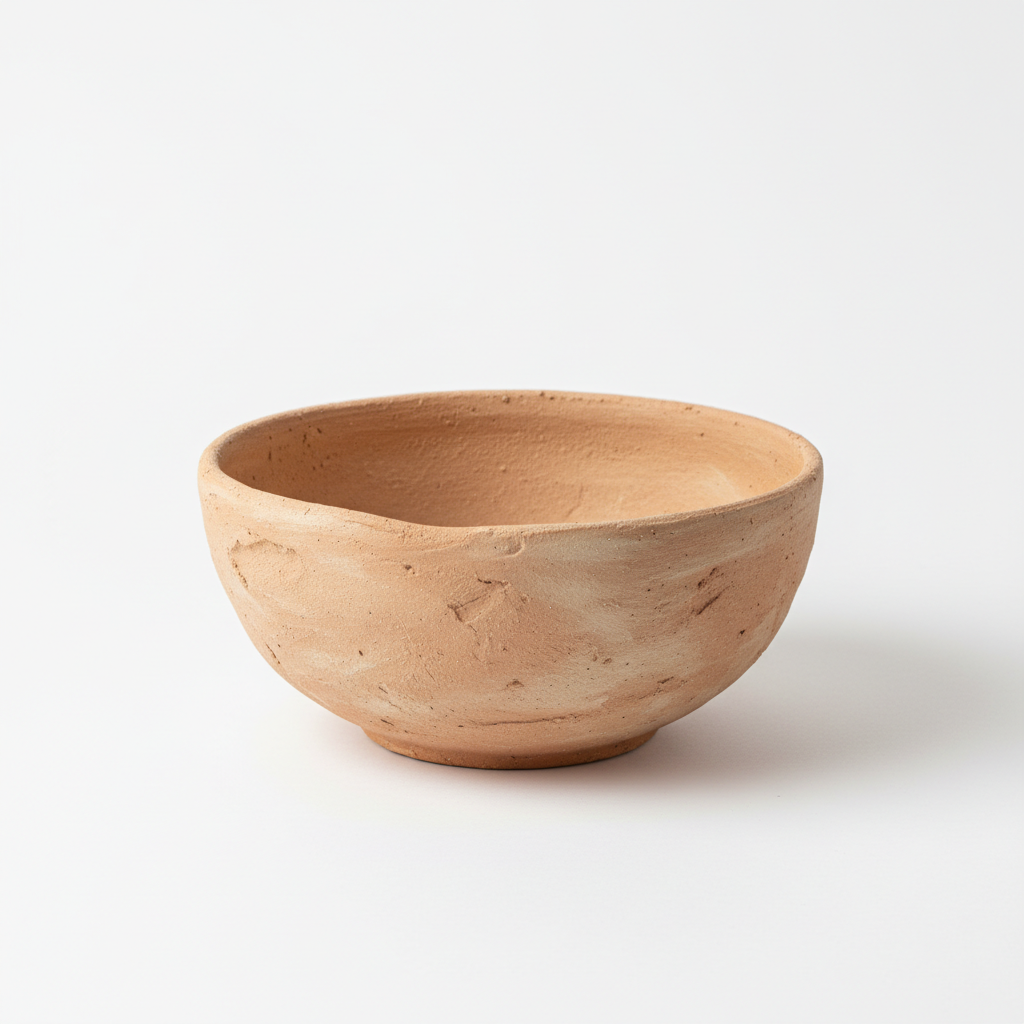 Bisque
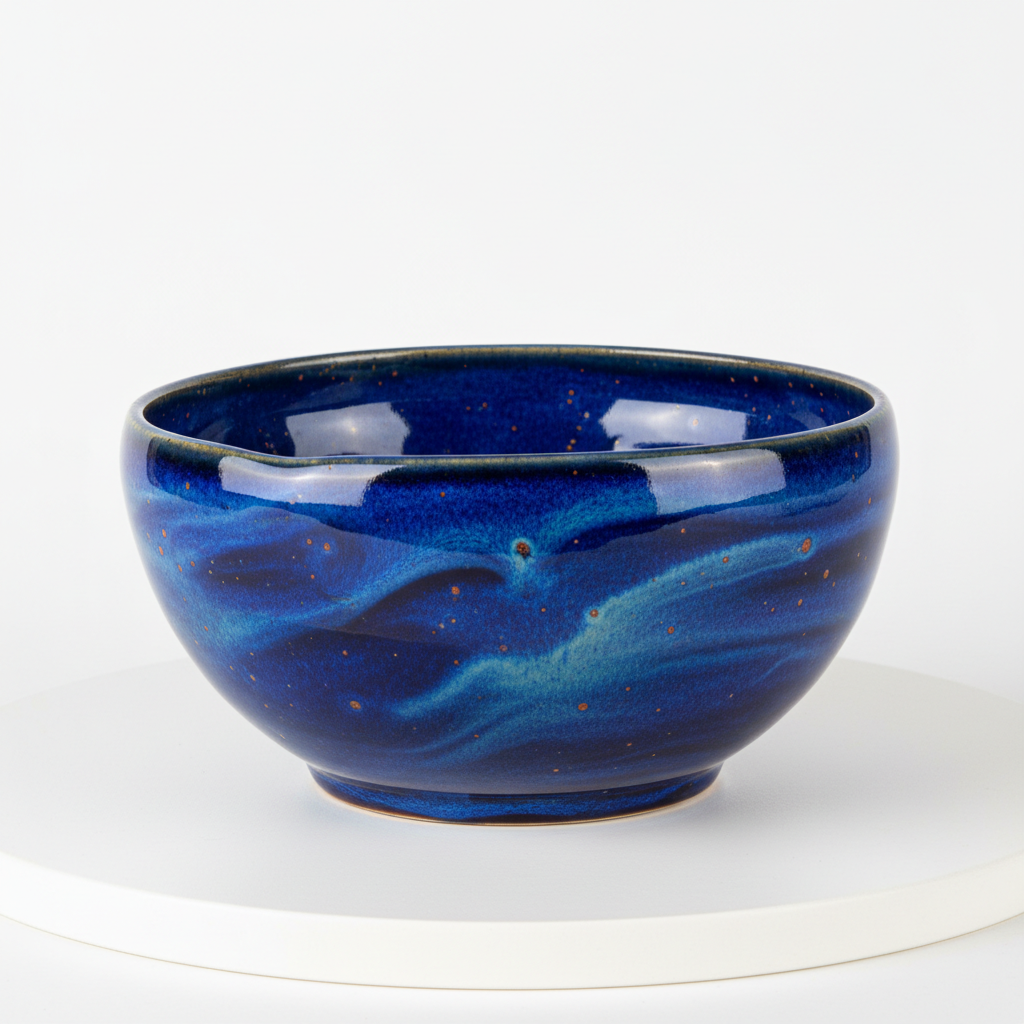 Blue Galaxy
Bowl — Blue Galaxy glaze
OX 114Bisque-fired piece simulated with a catalog glaze (OX 114)
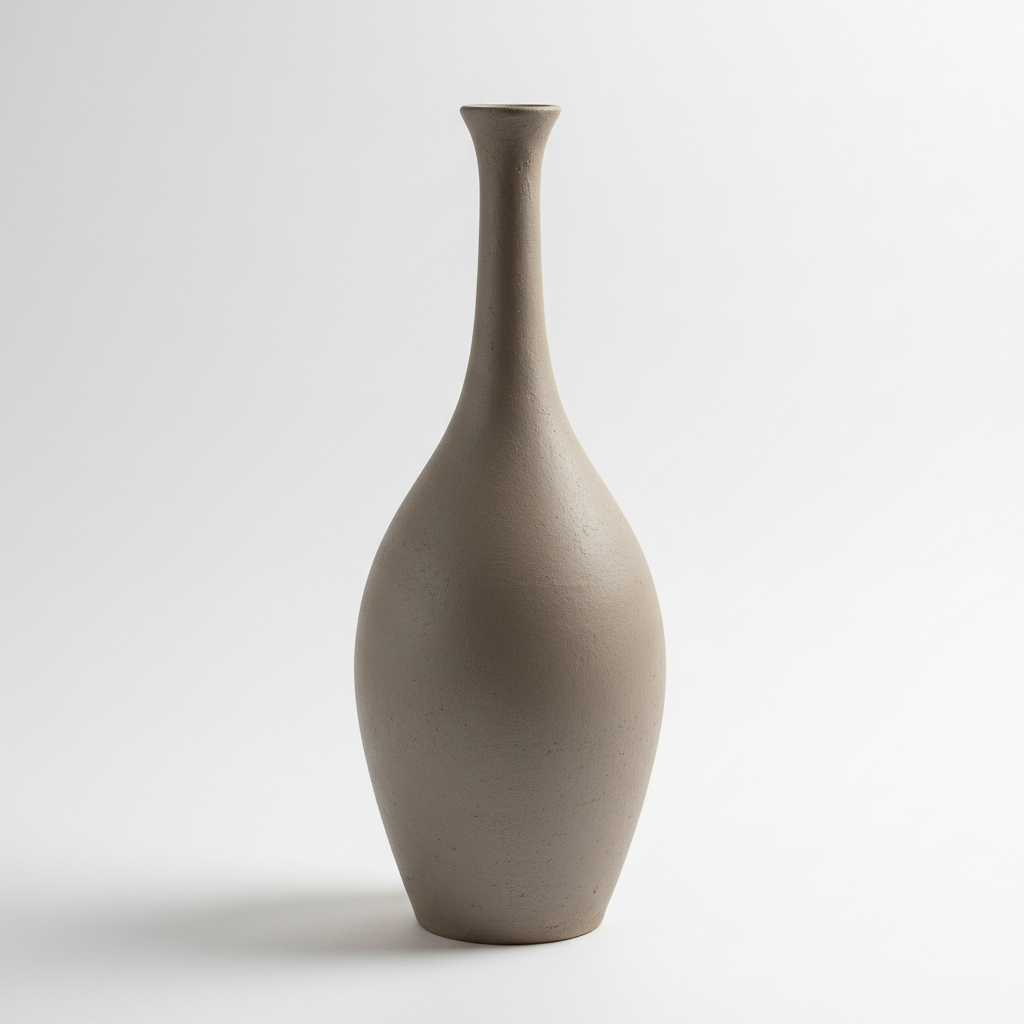 Leather-hard
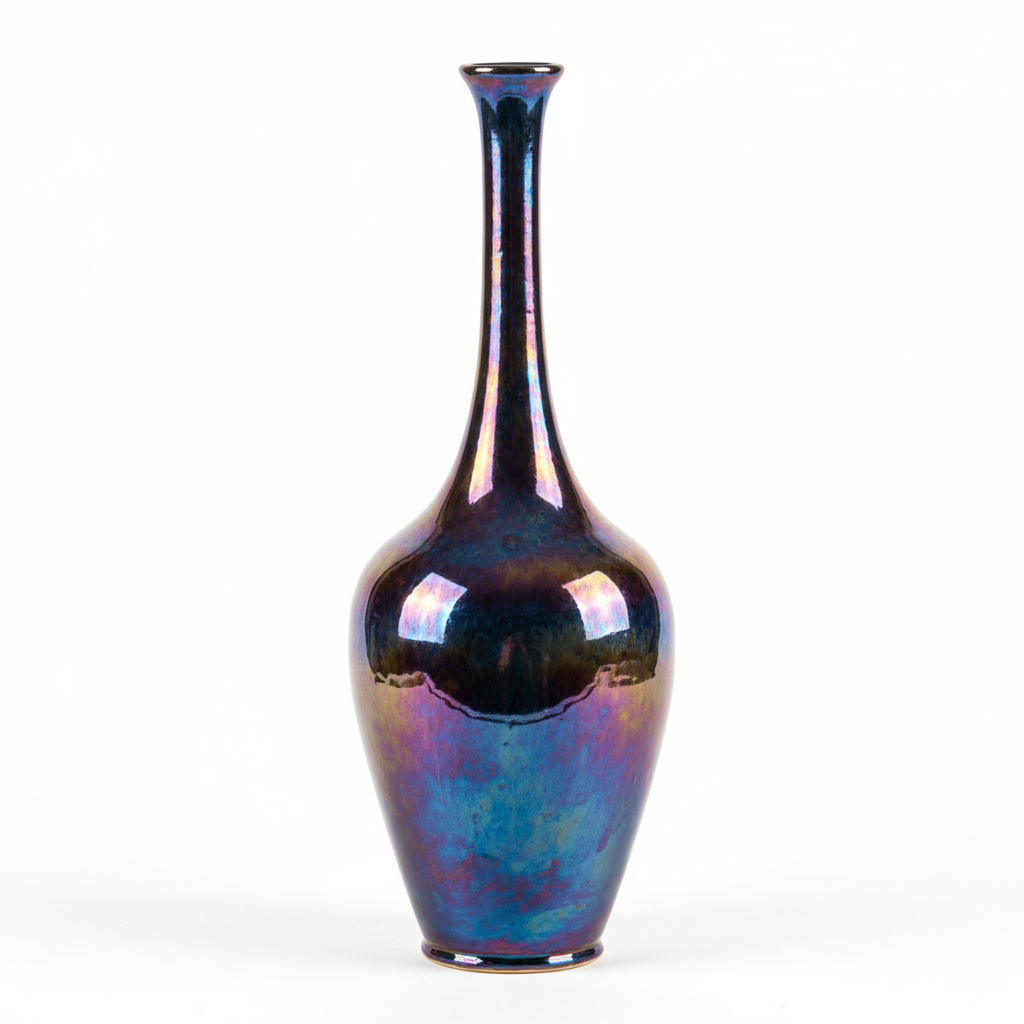 Iris
IrisVase — Iris glaze
OX 8017Leather-hard piece simulated with a catalog glaze (OX 8017)
How it works
5 steps from photo to testable recipe
No need to master Seger UMF — the platform does the chemistry and hands you a recipe ready to test.
- 01
Upload an inspiration photo
A photo of a piece with the glaze effect you want to reproduce — it can be a handmade piece, an antique, or one of your own past pieces. JPEG, PNG or WebP up to 5 MB.
- 02
Set the firing parameters
Choose the cone (5 to 10 or any), the atmosphere (oxidation, reduction or neutral), the kiln type and the bisque clay body. Also state the piece's use (decorative or functional) — the system applies different toxicity rules.
- 03
The AI generates the recipe
In seconds the AI proposes a base glaze + coloring layer using real raw materials, percentages adding up to 100% over the base, and a suggested firing curve (ramp and peak hold).
- 04
Automatic chemical validation
The recipe is then analyzed by three independent chemical methods: Seger UMF (unity molecular formula), Limit Formulas (acceptable range per cone) and the Stull Chart 1912 (silica × alumina map).
- 05
Triaxial Blend and testing
The platform generates 9 algorithmic variants of the recipe using the Triaxial Blend method, ready for you to run a small-scale test and pick the best one before firing a whole kiln load.
Plans
Start free, level up whenever you want
From casual testing to professional studio use. Cancel anytime.
Free
$0
Studio management + 6 mockups and 3 recipes/month
Ceramist
$14.90/month
60 mockups + 15 recipes/month
Studio PRO
$39/month
150 mockups + 50 recipes + 5 reviews/month
School
Contact us
300 mockups + 200 recipes + 20 reviews/month
Annual plans at a discount (pay for 10 months, use 12). Cancel anytime.
Frequently asked questions
Everything potters ask
How does Keramoslab generate a glaze recipe from a photo?
How does Keramoslab generate a glaze recipe from a photo?
You upload an inspiration photo (a piece with the effect you want to reproduce) and tell us the cone, atmosphere, clay body and the piece's intended use. The AI proposes a base recipe (the glassy layer) plus a coloring layer using real raw materials available in Brazil, with percentages adding up to 100% over the base and a suggested firing curve. The recipe is then validated by three independent chemical methods — Seger UMF, Limit Formulas and the Stull Chart — and 9 algorithmic variants are generated via Triaxial Blend.
Is the generated recipe for high or low temperature?
Is the generated recipe for high or low temperature?
Both. For high temperature (cones 5 to 10) we use Prof. Tito Tortori's empirical-percentage method and/or public chemistry (Seger UMF). For low temperature (below cone 04) the engine returns a frit + colorant recipe — building low-fire glazes from scratch out of isolated raw materials isn't advisable, because the risk of toxicity and blistering is high.
Do you handle oxidation AND reduction? Electric, gas and wood kilns?
Do you handle oxidation AND reduction? Electric, gas and wood kilns?
Yes. You choose the atmosphere (oxidation, reduction, neutral) and the kiln type (electric, gas, wood, muffle). A standard electric kiln means oxidation; gas and wood allow full reduction. The AI adjusts the chemistry to the atmosphere — in reduction, for example, iron becomes FeO and yields blue-grey colors; in oxidation it becomes Fe₂O₃ and yields amber-yellow tones.
Which raw materials are used? Are there Brazilian suppliers?
Which raw materials are used? Are there Brazilian suppliers?
The recipe is built from raw materials that circulate in the Brazilian market: sodium and potassium feldspars, kaolins (EPK, Vidalia, São Simão), silica in 200 or 325 mesh, dolomite, wollastonite, talcs, coloring oxides (Fe₂O₃, MnO₂, CoO, CuO), zirconia for opacifying and frits for low temperature. Each recipe comes with a regional supplier suggestion whenever public data is available.
Is it safe to use these recipes on functional ware (pieces that touch food)?
Is it safe to use these recipes on functional ware (pieces that touch food)?
Every recipe generated with `Piece use = Functional` applies stricter toxicity rules: lead is banned (always), barium is avoided on the surface, lithium only in a stable form, cadmium is banned. Even so, we always recommend a leaching test before commercial use. For decorative ware the restrictions are looser, but the system still flags any problematic raw material.
Can I trust an AI-generated recipe 100%?
Can I trust an AI-generated recipe 100%?
No — and no glaze recipe should ever go into production without testing. The generated recipe is a technically sound starting point (the chemistry checks out, percentages add up to 100%, fluxes are proportional), but real-world variables like raw-material batch composition, application thickness, the kiln's actual curve and the bisque clay body call for a triaxial test before you fire a whole kiln load. That's exactly why the platform already delivers 9 variants ready to test.
What is Seger UMF and why does it appear next to the recipe?
What is Seger UMF and why does it appear next to the recipe?
Seger UMF (Unity Molecular Formula) is the universal chemical way to describe a glaze: the molar ratio between fluxes (RO/R₂O), stabilizers (Al₂O₃) and glass formers (SiO₂, B₂O₃). It's how technical potters around the world compare recipes regardless of raw-material brand. The platform computes the UMF automatically and shows whether the formula falls within the known limit formulas for the chosen cone.
What is the Stull Chart?
What is the Stull Chart?
A map published by Charles Stull in 1912 that plots, on the silica × alumina plane (in molar ratio), the glaze's expected behavior zones: glossy, matte, under-saturated, unmelted. The platform plots your recipe on that map and tells you which zone it lands in — handy for understanding why a glaze is crazing, running or turning opaque when you didn't expect it to.
How much does it cost? Is there a free version?
How much does it cost? Is there a free version?
Yes. Without signing up you can generate 1 preview recipe every 24h. After creating a free account, the Free Forever plan includes 6 mockups in the simulator (up to 3/day) and 3 complete recipes per month, forever — the quota resets on the 1st. The Ceramist plan is $14.90/month with 60 mockups and 15 recipes (no instructor review); Studio PRO is $39/month with 50 recipes, 5 reviews by Prof. Tito (coming soon) and an exclusive discount on OXID purchases; the School plan (up to 10 users) is available on request. International prices in USD, processed by Dodo Payments.
Who is Prof. Tito Tortori?
Who is Prof. Tito Tortori?
Tito Tortori is a Brazilian ceramist and teacher with decades of experience teaching glaze formulation. He is Keramoslab's pedagogical partner, and the empirical-percentage method he developed for high temperature is one of the generation strategies available on the platform. The personal recipe-review service (included in the paid plans) is in development and will be enabled soon.
Want to understand more before testing? Read our technical guides on the potter's blog — pyrometric cones, oxidation vs. reduction, Seger UMF explained.